


Introduction
The Boeing 777 arrived at a turning point in commercial aviation, marking a new era in wide‑body airliner design and performance specifications. By the late 1980s, airlines were demanding an aircraft that could bridge the gap between the Boeing 767 and the Boeing 747 — something large, efficient, and capable of flying long‑haul routes without the cost and complexity of four engines. Boeing’s answer was a clean‑sheet twin‑engine jet that would go on to redefine what a widebody could be.
The 777 wasn’t just another derivative or stretch. It was the first Boeing airliner designed entirely on computer, and the first developed hand‑in‑hand with a group of major airlines who shaped everything from cabin layout to performance targets. This “Working Together” approach produced an aircraft that hit the market exactly where airlines needed it: big enough to replace older tri‑jets and early 747s, yet efficient enough to make long‑range twin‑engine flying the new normal.
From its maiden flight in 1994 at Boeing’s Everett, Washington assembly plant, the 777 quickly proved itself as a reliable, comfortable, and remarkably capable long‑haul machine. The early 777‑200 and 777‑300 formed the backbone of many international fleets, while the later Extended Range and Long Range variants pushed the aircraft into ultra‑long‑haul territory. The 777‑300ER in particular became one of the most successful wide‑body airliners ever built, combining range, payload, and efficiency in a way that reshaped global route networks.
Today, the Boeing 777 family continues to evolve. The 777F has become a favourite among cargo operators, and Boeing’s next generation — the 777X — is set to carry the type forward with new engines, composite wings, and updated systems. This page explores the Boeing 777’s development, design, and legacy across its variants. More than three decades after its launch, the 777 remains one of Boeing’s most important aircraft — a flagship widebody that helped usher in the era of long‑range twin‑engine travel.
At‑a‑Glance
| Item | Details |
| Manufacturer | Boeing Commercial Airplanes |
| First Flight | 12 June 1994 |
| Family Variants | 777‑200, 777‑200ER, 777‑200LR, 777‑300, 777‑300ER, 777F, 777X |
| Engines | Pratt & Whitney PW4000, Rolls‑Royce Trent 800, General Electric GE90 |
| Typical Seating | 301–365 (3‑class), up to 550 (max configuration) |
| Range | 5,240 NM (777‑200) to 8,555 NM (777‑200LR) |
| Maximum Takeoff Weight | Up to 351,500 kg (777‑300ER) |
| Launch Customers | United Airlines (777‑200), British Airways (777‑200ER), Cathay Pacific (777‑300), Air France (777‑300ER), Pakistan International Airlines (777‑200LR) |
| Status | In active production (777F, 777X); Classic and ER variants still widely operated |
History
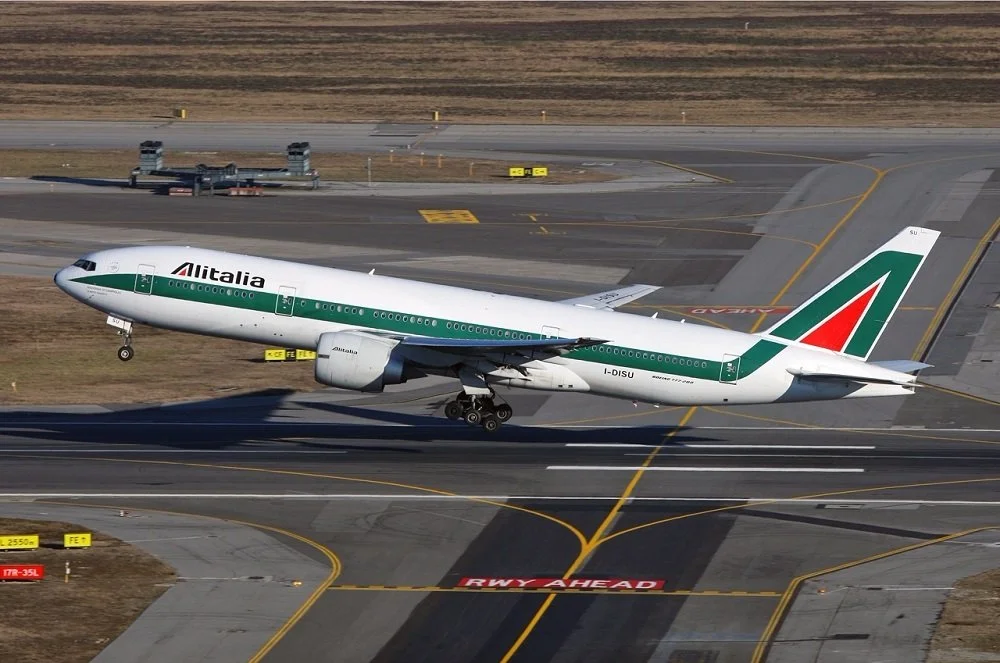
Widebody passenger transport jets made their introduction in the 1960s and early 70s in the form of the Boeing 747, McDonnell Douglas DC‑10, and the Lockheed L‑1011 Tristar. Preparing for the retirement of the faithful Boeing 727 workhorse, Boeing in 1978 announced the 757 narrow body, as well as the 767 wide body which was to go up against the Airbus A330. Boeing was also exploring a Boeing 777 tri‑jet concept to compete with the DC‑10 and L‑1011.
ETOPS
The Boeing 757 and 767 models were well‑accepted by the market. The timing was fortuitous, as in the early 1980s new regulations were introduced governing the operations of twin‑engine aircraft on transoceanic routes. ETOPS (Extended‑range Twin‑engine Operational Performance Standards — or Engines Turn Or Passengers Swim) allowed certificated aircraft to fly up to three hours (ETOPS‑180) from the nearest available alternative airfield. The Boeing 767 began to be used under this regulation on oceanic routes that did not require the seating capacity of the larger widebodies.
Filling the Gap
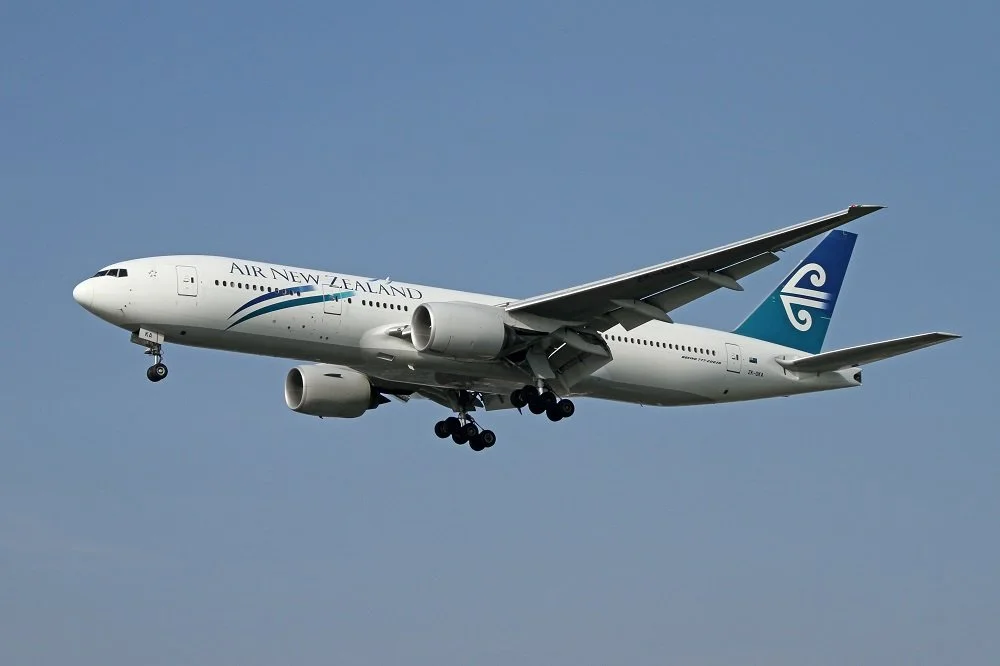
There was still a gap in Boeing’s stable of aircraft between the Boeing 767 and the Boeing 747 which needed to be filled.
McDonnell Douglas announced the MD‑11 to replace the aging DC‑10. Airbus had the Airbus A330 and A340. In 1986 Boeing floated ideas to create an enlarged Boeing 767. Called the Boeing 767‑X, the design had a longer fuselage, larger wings with winglets, and a wider cabin. The response from airlines was not encouraging. The market called for an even wider fuselage, flexible cabin layouts, and better fuel economy than could be delivered by any Boeing 767 variant.
A New Design
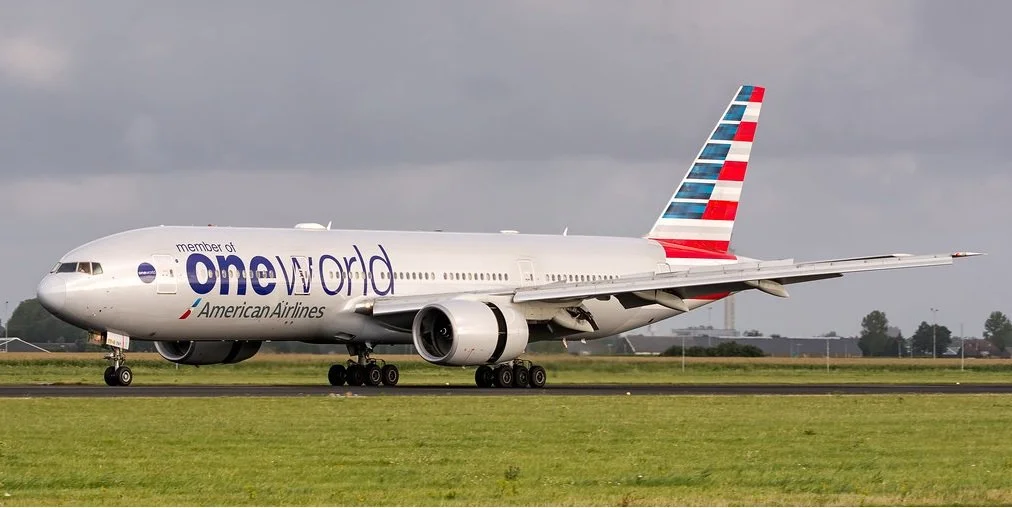
In 1988 Boeing, reacting to the market, acknowledged that a brand‑new design was required and the Boeing 777 concept was born.
In a departure from the norm, Boeing gathered eight leading airlines to become part of the design group. The Working Together Group, as it was called, was made up of All Nippon Airways, American Airlines, British Airways, Cathay Pacific Airways, Delta Air Lines, Japan Airlines, QANTAS, and United Airlines. Rather than presenting the market with what Boeing perceived as their idea of what was required, customers had direct input.
The development of the Boeing 777 progressed rapidly from this point, leading to a series of key milestones that shaped the aircraft’s evolution:
| Year | Milestone |
|---|---|
| 1988 | Boeing begins conceptual studies for a new widebody to bridge the gap between the 767 and 747. |
| 1989 | “Working Together” group formed with major airlines to jointly define the aircraft’s design and performance targets. |
| 1990 | Formal program launch of the Boeing 777. |
| 1993 | Design freeze achieved; first all‑digital Boeing airliner design completed. |
| 1994 | First flight of the Boeing 777‑200 on 12 June. |
| 1995 | FAA and JAA certification achieved; United Airlines receives the first 777‑200 and enters service on 7 June. |
| 1997 | Introduction of the 777‑200ER with British Airways as launch customer. |
| 1998 | First delivery of the stretched 777‑300 to Cathay Pacific. |
| 2004 | Launch of the 777‑300ER with Air France receiving the first aircraft. |
| 2006 | Introduction of the ultra‑long‑range 777‑200LR; Pakistan International Airlines receives the first aircraft. |
| 2009 | 777 Freighter (777F) enters service with Air France Cargo. |
| 2013 | Boeing formally launches the next‑generation 777X program. |
| 2020 | First flight of the 777‑9, the initial 777X variant. |
| 2025–2026 | Ongoing flight testing and certification program for the 777X family. |
Specifications
The Boeing 777 family spans several variants, each designed to meet different range, payload, and operational requirements. While the aircraft shares a common widebody twin‑engine layout, the performance figures vary significantly between the early 777‑200 models and the later Extended Range, Long Range, and 300ER versions. Below is a summary of the key specifications across the main variants.
 |
 |
 |
|
 |
|
| Variant | 777‑200 | 777‑200ER | 777‑200LR | 777‑300 | 777‑300ER |
|---|---|---|---|---|---|
| Flight Crew | 2 | 2 | 2 | 2 | 2 |
| Capacity | 301 (3‑class) 400 (2‑class) 440 (max) |
301 (3‑class) 400 (2‑class) 440 (max) |
301 (3‑class) 400 (2‑class) 440 (max) |
365 (3‑class) 451 (2‑class) 550 (max) |
365 (3‑class) 451 (2‑class) 550 (max) |
| Length | 63.7 m (209 ft 1 in) | 63.7 m (209 ft 1 in) | 63.7 m (209 ft 1 in) | 73.9 m (242 ft 4 in) | 73.9 m (242 ft 4 in) |
| Wingspan | 60.9 m (199 ft 11 in) | 60.9 m (199 ft 11 in) | 64.8 m (212 ft 7 in) | 60.9 m (199 ft 11 in) | 64.8 m (212 ft 7 in) |
| Wing Sweepback | 31.64° | ||||
| Wing Area | 427.80 m² | 427.80 m² | 436.80 m² | 427.80 m² | 436.80 m² |
| Tail Height | 18.5 m (60 ft 9 in) | 18.5 m (60 ft 9 in) | 18.6 m (61 ft 1 in) | 18.5 m (60 ft 8 in) | 18.5 m (60 ft 8 in) |
| Cabin Width | 5.87 m (19 ft 3 in) | 5.87 m (19 ft 3 in) | 5.87 m (19 ft 3 in) | 5.87 m (19 ft 3 in) | 5.87 m (19 ft 3 in) |
| Fuselage Width | 6.20 m (20 ft 4 in) | ||||
| Maximum Freight Capacity | 162 m³ (5,720 ft³) — 32 × LD3 | 162 m³ (5,720 ft³) — 32 × LD3 | 162 m³ (5,720 ft³) — 32 × LD3 | 216 m³ (7,640 ft³) — 44 × LD3 | 216 m³ (7,640 ft³) — 44 × LD3 |
| Empty Operating Weight | 134,800 kg | 138,100 kg | 145,150 kg | 160,500 kg | 167,800 kg |
| Maximum Landing Weight | 201,840 kg | 213,180 kg | 223,168 kg | 237,680 kg | 251,290 kg |
| Maximum Takeoff Weight (MTOW) | 247,200 kg | 297,550 kg | 347,500 kg | 299,370 kg | 351,500 kg |
| Typical Cruise Speed | Mach 0.84 (905 km/h, 490 knots) | ||||
| Maximum Cruise Speed | Mach 0.89 (950 km/h, 512 knots) | ||||
| Maximum Range | 5,240 NM | 7,065 NM | 8,555 NM | 6,006 NM | 7,370 NM |
| Takeoff Distance (ISA, MSL) | 2,530 m | 3,570 m | 2,970 m | 3,380 m | 3,200 m |
| Maximum Fuel Capacity | 117,348 L | 171,176 L | 181,283 L | 171,176 L | 181,283 L |
| Service Ceiling | 43,100 ft | ||||
| Engine Options (x2) | PW4077 / RR877 / GE90‑77B | PW4090 / RR895 / GE90‑94B | GE90‑110B1 / GE90‑115B1 | PW4098 / RR892 / GE90‑92B / GE90‑94B | GE90‑115B1 |
| Engine Thrust (per engine) | PW: 77,000 lbf RR: 76,000 lbf GE: 77,000 lbf |
PW: 90,000 lbf RR: 93,400 lbf GE: 93,700 lbf |
PW: 98,000 lbf RR: 93,400 lbf GE: 92,000 / 93,700 lbf |
GE: 115,540 lbf | |
Assembly
The Boeing 777 is assembled at Boeing’s Everett facility in Washington State, home to the world’s largest building by volume. The production line was originally created for the 747, but was expanded and reconfigured to accommodate the 777’s size, digital manufacturing processes, and high‑capacity output. The 777 was Boeing’s first airliner designed entirely on computer, and its assembly process reflects that shift, with extensive use of computer‑aided design and digital tooling.
The fuselage sections arrive from partner manufacturers around the world. The forward fuselage, centre fuselage, and aft fuselage are joined in the main assembly hall using automated alignment systems that ensure precise fit and structural integrity. The wings, built at Everett, are attached using massive wing‑to‑body join fixtures that hold the aircraft in place while technicians secure the structure with thousands of fasteners.

Once the major structures are joined, the aircraft moves down the line for installation of systems including hydraulics, avionics, electrical wiring, landing gear, and flight controls. The GE90 engines — the largest turbofans ever fitted to a commercial aircraft — are installed near the end of the process. Interior fitting follows, with galleys, lavatories, insulation, and seating installed according to each airline’s specification.
After assembly is complete, the aircraft is rolled out for painting and final systems testing. The 777 undergoes extensive ground checks before its first flight, including fuel system calibration, avionics verification, and control surface movement tests. Once cleared, the aircraft performs its maiden flight from Paine Field, where Boeing test pilots evaluate handling, performance, and systems behaviour before the aircraft is delivered to the customer.
Major Boeing 777 Suppliers
| Company | Role |
|---|---|
| Air Cruisers | Escape slides |
| Airco Industries, Inc | Control panels |
| Allen Aircraft Products, Inc | Valves, jet pumps |
| Argo‑Tech Corp | Main engine fuel pumps |
| Aviointeriors S.p.A. | Seats |
| AVOX Systems | Crew and passenger oxygen systems |
| B/E Aerospace – Commercial Aircraft Products Group | Seating, galley inserts, oxygen systems |
| B/E Aerospace – Flight Structures Group | VIP lavatories, closets, sidewalls |
| BAE Systems Platform Solutions | Flight and engine controls |
| California Drop Forge, Inc. | Landing gear and APU components |
| Chelton (Electrostatics) Ltd. | Dischargers |
| Chicopee Manufacturing Ltd. | Wing and landing gear components |
| Cytec Carbon Fibers, LLC | Carbon fibre |
| Gerard Daniel Worldwide | Acoustic liners for nacelles and thrust reversers |
| Diehl Luftfahrt Elektronik GmbH | Cabin lighting |
| Donaldson Co. Inc. | Cabin air filters and avionics filters |
| Driessen Aircraft Interior Systems Inc. | Galleys, closets, partitions |
| Eaton Aerospace | Pumps, hoses, valves, pneumatic and ducting systems |
| Frisby Aerospace, Inc | Hydraulic components |
| GKN Aerospace Transparency Systems Inc. | Cockpit and cabin windows |
| Goodrich – Aircraft Wheels & Brakes | Wheels and brakes |
| Goodrich – Landing Gear | Landing gear |
| Goodrich – Sensor Systems | Temperature sensors, pitot‑static probes, AOA sensors, gust suppression transducers, waste level systems, video surveillance |
| Goodyear Aviation (France, Brazil, USA) | Tyres |
| HARCO | Engine sensors and fly‑by‑wire assemblies |
| Hercules Heat Treating Corp. | Landing gear |
| Hexcel Structures | Wing trailing edges |
| Ho‑Ho‑Kus, Inc | Sheet metal parts |
| Honeywell Electronics & Lighting | Interior and exterior lighting |
| Interface Aviation, Inc. | Seats |
| IPECO | Pilot seats |
| JAMCO Corp. | Lavatories, galleys, inserts |
| Judd Wire Inc | Wire and cable |
| Korean Air Aerospace Division | Flap support fairings, wing tip assemblies |
| Labinal | Wiring |
| McGill Manufacturing (Emerson Power Transmission) | Flap & slat track rollers, door bearings |
| Mitsubishi Heavy Industries | Aft fuselage panels, tail fuselage, entry doors |
| Moog | Flight controls |
| Rockwell Collins | ADF, AFDS, DME, GLU, HFS, LRA, MAT, TPR, VHF, VOR, WXR, moving map systems |
| Saab AB | Aerostructures |
| Securaplane Technologies Inc | Ground manoeuvre camera system |
| Sell Aviation / Britax Sell GmbH & Co. OHG | Galleys, crew rest, closets, ovens, beverage makers, boilers, ice compartments |
| Smiths Aerospace – Electronic Systems | Generators and control units |
| Smiths Aerospace – Mechanical Systems | Thrust reverser actuation, gear door actuators, fuel gauging, power systems, auto‑throttle servo, fuel panels |
| Smiths Aerospace – Mechanical Systems (Whippany) | Rudder trim, speed brake, flap drive, APU door actuator |
| Spincraft, Inc. | Nacelle components, anti‑icing systems |
| Spirit AeroSystems Inc | Engine struts, engine nacelles |
| Teledyne Relays | Relays and switches |
| Thales Avionics Inc | Avionics systems |
| TS Corp. | Rudder PCU, elevator PCU, aileron PCU, flapperon PCU, actuator control electronics |
| Tusas Aerospace Industries Inc | Dorsal fin |
| Vought Aircraft Industries, Inc | Wing spoilers, inboard flaps, nacelle panels, leading edge straps, nose beams, webs, bulkheads, longerons, edge frames |
| Whitmore Wire & Cable Corp. | Electrical wire and cable |
| Whittaker Controls, Inc. | IFE cooling valve; optional forward cargo air‑conditioning valve (777‑200LR) |

Orders & Deliveries
The Boeing 777 has been one of Boeing’s most successful widebody aircraft programs, with strong sales across passenger, extended‑range, long‑range, and freighter variants. Below is the complete orders and deliveries table as supplied.
| Airline | Orders | Deliveries | Unfilled |
|---|---|---|---|
| A/S Maersk Aviation Holding | 2 | 0 | 2 |
| 777F | 2 | 0 | 2 |
| Aeroflot – Russian Airlines | 22 | 22 | 0 |
| 777‑300ER | 22 | 22 | 0 |
| Air Austral | 2 | 1 | 1 |
| 777‑200LR | 2 | 1 | 1 |
| Air Canada | 27 | 23 | 4 |
| 777‑200LR | 6 | 6 | 0 |
| 777‑300ER | 17 | 17 | 0 |
| 777F | 4 | 0 | 4 |
| Air China | 38 | 38 | 0 |
| 777‑200 | 10 | 10 | 0 |
| 777‑300ER | 28 | 28 | 0 |
| Air China Cargo | 13 | 8 | 5 |
| 777F | 13 | 8 | 5 |
| Air France | 59 | 59 | 0 |
| 777‑200ER | 18 | 18 | 0 |
| 777‑300ER | 36 | 36 | 0 |
| 777F | 5 | 5 | 0 |
| Air France‑KLM Group | 1 | 1 | 0 |
| 777‑300ER | 1 | 1 | 0 |
| Air India | 23 | 23 | 0 |
| 777‑200LR | 8 | 8 | 0 |
| 777‑300ER | 15 | 15 | 0 |
| Air Lease Corporation | 21 | 21 | 0 |
| 777‑300ER | 21 | 21 | 0 |
| Air New Zealand | 9 | 9 | 0 |
| 777‑200ER | 4 | 4 | 0 |
| 777‑300ER | 5 | 5 | 0 |
| Alitalia | 6 | 6 | 0 |
| 777‑200ER | 6 | 6 | 0 |
| All Nippon Airways (ANA) | 79 | 57 | 22 |
| 777‑200 | 21 | 16 | 5 |
| 777‑200ER | 12 | 12 | 0 |
| 777‑300 | 7 | 7 | 0 |
| 777‑300ER | 20 | 22 | ‑2 |
| 777X | 19 | 0 | 19 |
| Altavair LLC | 6 | 4 | 2 |
| 777‑300ER | 1 | 1 | 0 |
| 777F | 5 | 3 | 2 |
| American Airlines | 72 | 67 | 5 |
| 777‑200ER | 52 | 47 | 5 |
| 777‑300ER | 20 | 20 | 0 |
| ANA Holdings Inc. | 9 | 8 | 1 |
| 777‑300ER | 6 | 6 | 0 |
| 777F | 2 | 2 | 0 |
| 777X | 1 | 0 | 1 |
| Arik Air | 5 | 0 | 5 |
| 777‑300ER | 5 | 0 | 5 |
| Asiana Airlines | 22 | 10 | 12 |
| 777‑200ER | 15 | 10 | 5 |
| 777‑300 | 7 | 0 | 7 |
| Atlas Air Worldwide Holdings | 4 | 0 | 4 |
| 777F | 4 | 0 | 4 |
| Austrian Airlines | 1 | 1 | 0 |
| 777‑200ER | 1 | 1 | 0 |
| Azerbaijan Airlines | 1 | 1 | 0 |
| 777‑200LR | 1 | 1 | 0 |
| Biman Bangladesh Airlines | 4 | 4 | 0 |
| 777‑300ER | 4 | 4 | 0 |
| BOC Aviation Limited | 19 | 19 | 0 |
| 777‑200ER | 2 | 2 | 0 |
| 777‑300 | 4 | 4 | 0 |
| 777‑300ER | 13 | 13 | 0 |
| Boeing Capital Corporation | 2 | 2 | 0 |
| 777F | 2 | 2 | 0 |
| British Airways | 73 | 55 | 18 |
| 777‑200 | 5 | 5 | 0 |
| 777‑200ER | 44 | 44 | 0 |
| 777‑300ER | 6 | 6 | 0 |
| 777X | 18 | 0 | 18 |
| Business Jet / VIP Customer(s) | 6 | 6 | 0 |
| 777‑200LR | 2 | 2 | 0 |
| 777‑300ER | 4 | 4 | 0 |
| Cathay Pacific Airways | 102 | 66 | 36 |
| 777‑200 | 12 | 5 | 7 |
| 777‑300 | 12 | 12 | 0 |
| 777‑300ER | 49 | 49 | 0 |
| 777F | 8 | 0 | 8 |
| 777X | 21 | 0 | 21 |
| Ceiba Intercontinental | 1 | 1 | 0 |
| 777‑200LR | 1 | 1 | 0 |
| CES Leasing Corporation | 5 | 5 | 0 |
| 777F | 5 | 5 | 0 |
| China Airlines | 16 | 10 | 6 |
| 777‑300ER | 6 | 6 | 0 |
| 777F | 10 | 4 | 6 |
| China Cargo | 2 | 2 | 0 |
| 777F | 2 | 2 | 0 |
| China Eastern Airlines | 20 | 20 | 0 |
| 777‑300ER | 20 | 20 | 0 |
| China Southern Airlines | 38 | 35 | 3 |
| 777‑200 | 4 | 4 | 0 |
| 777‑200ER | 5 | 2 | 3 |
| 777‑300ER | 15 | 15 | 0 |
| 777F | 14 | 14 | 0 |
| CMA CGM | 2 | 2 | 0 |
| 777F | 2 | 2 | 0 |
| DAE 4 Ireland Limited | 1 | 1 | 0 |
| 777F | 1 | 1 | 0 |
| Delta Air Lines | 19 | 18 | 1 |
| 777‑200ER | 9 | 8 | 1 |
| 777‑200LR | 10 | 10 | 0 |
| Deucalion Capital VII Limited | 8 | 8 | 0 |
| 777F | 8 | 8 | 0 |
| DHL | 14 | 14 | 0 |
| 777F | 14 | 14 | 0 |
| DHL Aviation Americas | 14 | 3 | 11 |
| 777F | 14 | 3 | 11 |
| Dream Aviation Ltd. | 1 | 1 | 0 |
| 777‑200ER | 1 | 1 | 0 |
| Dubai Aerospace Enterprise | 23 | 13 | 10 |
| 777‑300ER | 10 | 0 | 10 |
| 777F | 13 | 13 | 0 |
| EgyptAir | 7 | 5 | 2 |
| 777‑200ER | 5 | 5 | 0 |
| 777‑300ER | 2 | 0 | 2 |
| EL AL Israel Airlines | 10 | 6 | 4 |
| 777‑200ER | 10 | 6 | 4 |
| Emirates | 291 | 135 | 156 |
| 777‑200 | 3 | 3 | 0 |
| 777‑200ER | 6 | 6 | 0 |
| 777‑200LR | 10 | 10 | 0 |
| 777‑300ER | 114 | 114 | 0 |
| 777F | 2 | 2 | 0 |
| 777X | 156 | 0 | 156 |
| Ethiopian Airlines Group | 19 | 14 | 5 |
| 777‑200LR | 6 | 6 | 0 |
| 777F | 13 | 8 | 5 |
| Etihad Airways | 49 | 24 | 25 |
| 777‑300ER | 18 | 18 | 0 |
| 777F | 6 | 6 | 0 |
| 777X | 25 | 0 | 25 |
| Euralair | 2 | 0 | 2 |
| 777‑200 | 2 | 0 | 2 |
| EVA Air | 29 | 28 | 1 |
| 777‑300ER | 20 | 20 | 0 |
| 777F | 9 | 8 | 1 |
| FedEx Express | 52 | 46 | 6 |
| 777F | 52 | 46 | 6 |
| Garuda Indonesia | 10 | 10 | 0 |
| 777‑300ER | 10 | 10 | 0 |
| Gulf Air | 6 | 0 | 6 |
| 777‑200ER | 6 | 0 | 6 |
| Hong Kong Int’l Aviation | 6 | 0 | 6 |
| 777F | 6 | 0 | 6 |
| International Lease Finance Co. | 81 | 79 | 2 |
| 777‑200ER | 45 | 43 | 2 |
| 777‑300 | 8 | 8 | 0 |
| 777‑300ER | 28 | 28 | 0 |
| Japan Airlines | 49 | 39 | 10 |
| 777‑200 | 11 | 8 | 3 |
| 777‑200ER | 11 | 11 | 0 |
| 777‑300 | 7 | 7 | 0 |
| 777‑300ER | 20 | 13 | 7 |
| Japan Airlines Co., Ltd. | 7 | 7 | 0 |
| 777‑200 | 7 | 7 | 0 |
| Jet Airways | 13 | 10 | 3 |
| 777‑300ER | 13 | 10 | 3 |
| Kenya Airways | 5 | 5 | 0 |
| 777‑200ER | 4 | 4 | 0 |
| 777‑300ER | 1 | 1 | 0 |
| KLM Royal Dutch Airlines | 17 | 17 | 0 |
| 777‑200ER | 6 | 6 | 0 |
| 777‑300ER | 11 | 11 | 0 |
| Korean Air | 63 | 55 | 8 |
| 777‑200 | 8 | 0 | 8 |
| 777‑200ER | 18 | 18 | 0 |
| 777‑300 | 4 | 4 | 0 |
| 777‑300ER | 23 | 23 | 0 |
| 777F | 10 | 10 | 0 |
| Kuwait Airways | 12 | 12 | 0 |
| 777‑200ER | 2 | 2 | 0 |
| 777‑300ER | 10 | 10 | 0 |
| LATAM Airlines Brasil | 12 | 10 | 2 |
| 777‑300ER | 10 | 10 | 0 |
| 777F | 2 | 0 | 2 |
| LATAM Airlines Group | 3 | 2 | 1 |
| 777F | 3 | 2 | 1 |
| Lauda Air | 4 | 3 | 1 |
| 777‑200ER | 4 | 3 | 1 |
| Lufthansa | 29 | 0 | 29 |
| 777F | 2 | 0 | 2 |
| 777X | 27 | 0 | 27 |
| Lufthansa Cargo | 10 | 10 | 0 |
| 777F | 10 | 10 | 0 |
| Malaysia Airlines | 15 | 15 | 0 |
| 777‑200ER | 15 | 15 | 0 |
| Mid East Jet | 1 | 1 | 0 |
| 777‑200ER | 1 | 1 | 0 |
| NAS Aviation Services LLC | 69 | 63 | 6 |
| 777‑200 | 5 | 0 | 5 |
| 777‑200ER | 4 | 4 | 0 |
| 777‑300ER | 50 | 49 | 1 |
| 777F | 10 | 10 | 0 |
| Novus Aviation Capital | 4 | 4 | 0 |
| 777‑300ER | 4 | 4 | 0 |
| Oak Hill | 6 | 4 | 2 |
| 777F | 6 | 4 | 2 |
| Pakistan International Airlines | 13 | 8 | 5 |
| 777‑200ER | 3 | 3 | 0 |
| 777‑200LR | 2 | 2 | 0 |
| 777‑300ER | 8 | 3 | 5 |
| Philippine Airlines | 4 | 4 | 0 |
| 777‑300ER | 4 | 4 | 0 |
| Qatar Airways | 159 | 83 | 76 |
| 777‑200LR | 9 | 9 | 0 |
| 777‑300ER | 48 | 48 | 0 |
| 777F | 28 | 26 | 2 |
| 777X | 74 | 0 | 74 |
| Republic of Iraq | 1 | 1 | 0 |
| 777‑200LR | 1 | 1 | 0 |
| Saudi Arabian Airlines | 43 | 43 | 0 |
| 777‑200ER | 23 | 23 | 0 |
| 777‑300ER | 20 | 20 | 0 |
| Silk Way West Airlines | 5 | 0 | 5 |
| 777F | 5 | 0 | 5 |
| Singapore Airlines | 116 | 85 | 31 |
| 777‑200ER | 46 | 46 | 0 |
| 777‑300 | 12 | 12 | 0 |
| 777‑300ER | 27 | 27 | 0 |
| 777X | 31 | 0 | 31 |
| South African Airways | 4 | 0 | 4 |
| 777‑200ER | 4 | 0 | 4 |
| Swiss International Air Lines | 12 | 12 | 0 |
| 777‑300ER | 12 | 12 | 0 |
| TAAG Angola Airlines | 8 | 8 | 0 |
| 777‑200ER | 3 | 3 | 0 |
| 777‑300ER | 5 | 5 | 0 |
| Thai Airways International | 26 | 26 | 0 |
| 777‑200 | 8 | 8 | 0 |
| 777‑200ER | 6 | 6 | 0 |
| 777‑300 | 6 | 6 | 0 |
| 777‑300ER | 6 | 6 | 0 |
| Transbrasil | 3 | 0 | 3 |
| 777‑200 | 3 | 0 | 3 |
| Turkish Airlines | 38 | 38 | 0 |
| 777‑300ER | 30 | 30 | 0 |
| 777F | 8 | 8 | 0 |
| Turkmenhowayollary Agency | 4 | 4 | 0 |
| 777‑200LR | 4 | 4 | 0 |
| Unidentified Customer(s) | 81 | 21 | 60 |
| 777‑300 | 4 | 0 | 4 |
| 777‑300ER | 28 | 15 | 13 |
| 777F | 27 | 6 | 21 |
| 777X | 22 | 0 | 22 |
| United Airlines | 121 | 102 | 19 |
| 777‑200 | 40 | 22 | 18 |
| 777‑200ER | 59 | 58 | 1 |
| 777‑300ER | 22 | 22 | 0 |
| United Airlines (Prev. Continental) | 6 | 0 | 6 |
| 777‑200ER | 6 | 0 | 6 |
| Varig Airlines | 4 | 0 | 4 |
| 777‑200ER | 4 | 0 | 4 |
| Vietnam Airlines | 4 | 4 | 0 |
| 777‑200ER | 4 | 4 | 0 |
| Virgin Australia | 6 | 4 | 2 |
| 777‑300ER | 6 | 4 | 2 |
| Volga‑Dnepr UK Ltd | 8 | 0 | 8 |
| 777F | 8 | 0 | 8 |
| Voyager Aviation Aircraft Leasing | 6 | 4 | 2 |
| 777‑300ER | 6 | 4 | 2 |
| Western Global Airlines Inc | 2 | 0 | 2 |
| 777F | 2 | 0 | 2 |
| Grand Total | 2347 | 1695 | 652 |
Orders & Deliveries — Summary
The Boeing 777 has been one of the most commercially successful wide‑body aircraft programs in history, with 2,347 orders placed across passenger, long‑range, and freighter variants. Of these, 1,695 aircraft have been delivered, leaving 652 unfilled orders — largely driven by the upcoming 777X family, which continues to hold strong demand from major global carriers.
The 777‑300ER remains the backbone of the program, dominating long‑haul fleets at airlines such as Emirates, Qatar Airways, Cathay Pacific, Singapore Airlines, British Airways, Air France, and United Airlines. The 777F has also become the world’s most widely adopted long‑range freighter, with major operators including FedEx, DHL, Qatar Airways, China Southern, Lufthansa Cargo, and Atlas Air.
Launch customers and early adopters like Japan Airlines, ANA, Korean Air, Air China, and Malaysia Airlines helped establish the type’s global footprint, while leasing companies such as ILFC, Air Lease Corporation, BOC Aviation, and DAE ensured broad market penetration.
The next chapter of the program is driven by the 777X, with substantial commitments from Emirates, Qatar Airways, Etihad, Lufthansa, Singapore Airlines, British Airways, and several unidentified customers. These orders position the 777 to remain a flagship long‑haul aircraft well into the 2030s.
Legacy
Since its introduction in the mid‑1990s, the Boeing 777 has reshaped long‑haul travel and set new benchmarks for efficiency, reliability, and passenger comfort. It became the aircraft that airlines could depend on for ultra‑long‑range routes, high‑density trunk services, and premium flagship operations. The 777‑300ER, in particular, emerged as the defining wide‑body of the 2000s and 2010s, replacing four‑engine types such as the Boeing 747‑400 and Airbus A340 across the world’s major carriers.
The aircraft’s success was driven not only by its performance but also by its versatility. From the early 777‑200 and 777‑200ER to the long‑range 777‑200LR and the immensely popular 777‑300ER, each variant carved out a distinct role in global fleets. The 777F further cemented the type’s importance by becoming the backbone of modern long‑range cargo operations, offering airlines a dependable and fuel‑efficient alternative to ageing freighters.
The 777 also marked a turning point in Boeing’s design philosophy. It was the company’s first commercial aircraft developed entirely using digital design tools, setting the stage for future programs and demonstrating the value of advanced computer‑aided engineering. Its combination of range, payload, and operating economics made it a favourite among pilots, engineers, and passengers alike.
As the aviation industry moves into the next decade, the 777’s legacy continues through the 777X family. Featuring new composite wings, updated engines, and modernised systems, the 777X aims to carry forward the strengths of the original design while meeting the demands of a new generation of long‑haul travel. With hundreds of orders from leading global airlines, the 777X is positioned to extend the program’s relevance well into the 2030s and beyond.
Three decades after its first flight, the Boeing 777 remains one of the most influential wide‑body aircraft ever built. Its impact on airline networks, fleet planning, and long‑haul travel is unmistakable, and its continued evolution ensures that the 777 will remain a cornerstone of global aviation for many years to come.